

Quick answer
Zen is a school of Mahayana Buddhism that took shape in China as Chan in the sixth and seventh centuries and reached Japan in the twelfth, where the Rinzai and Soto lineages still teach. Its centre is zazen, seated meditation, and in Rinzai the koan, a question such as what was your original face before your parents were born, meant to exhaust thinking. It is a discipline with teachers, precepts and much sitting, not a mood. The old version of this page used Zen to mean a relaxed state and recommended feng shui, spa days, sage and hot springs to reach it. None of that is Zen, and this rewrite keeps to what the school teaches and what a beginner can do at home. The practice is simple to describe and hard to keep: sit still, follow the breath, meet each distraction without a fight, and return. The calm arrives as a side effect. The wider guide is in Spiritual Awakening: What People Mean by It, What Is Usually Happening, a Grounded Practice, and When It Needs a Doctor.
Seven steps, how to do each, and the common obstacle
| Step | How | Common obstacle |
|---|---|---|
| Set a place and a time | Same chair or cushion, same fifteen minutes, ideally morning | Waiting until you feel like it; you will not |
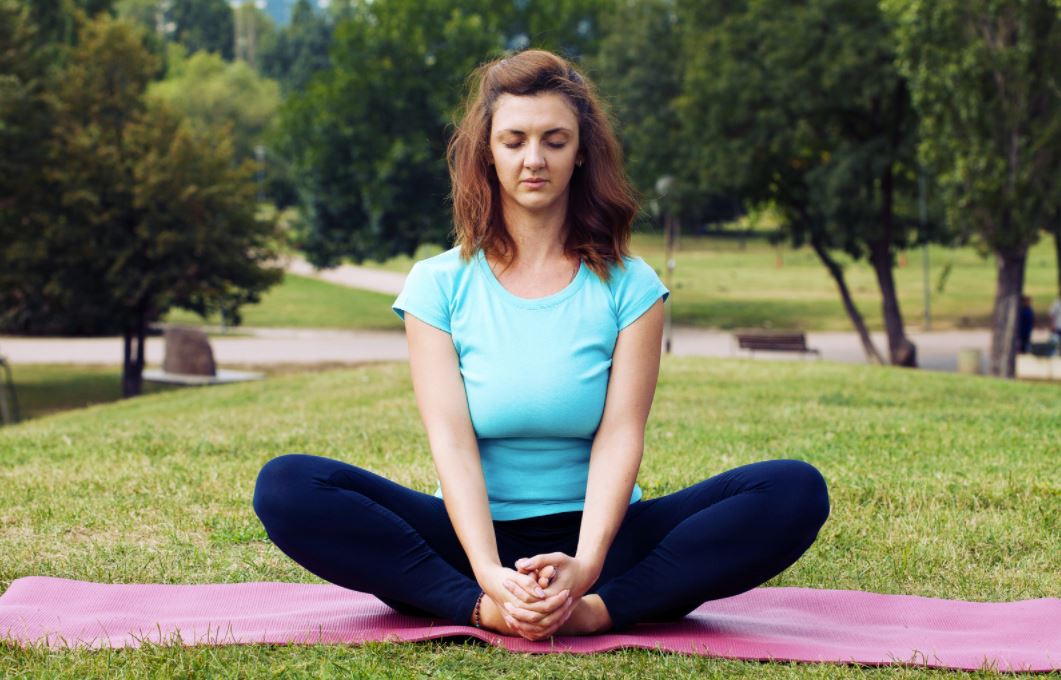
| Sit upright | Hips above knees, back straight but not stiff, hands in the lap, eyes lowered and half-open | Slumping, then dozing; open the eyes a little more |
| Count the breath | Count each exhale from one to ten, then start again; lose count, start at one | Reaching ten and feeling proud; the count is a tool, not a score |
| Meet thoughts without a fight | Notice planning, remembering, judging, and return to the count | Trying to stop thinking, which is one more thought |
| Sit through discomfort, within reason | Itches and mild aches pass; sharp pain means adjust | Moving at the first twitch, or refusing to move when the knee is hurting |
| End on time, deliberately | A small bow or a slow breath; stand up slowly | Checking the phone before the cushion is cold |
| Keep it daily and find a group | A local zendo or an online sitting group; a teacher for koan work | Practising alone for years and calling every plateau enlightenment |
Not Zen, whatever the shop says
- Scented candles and desk-sized sand gardens
- Spa afternoons and hot springs
- Sage, incense and furniture facing doorways
- Any product with the word on it; these are fine as pleasures, but the school has nothing to do with them, and calling relaxation Zen sells the practice short
Evidence note: NCCIH’s review of meditation and mindfulness finds modest benefits for stress, anxiety and some kinds of pain, with rare reports of distress in intensive practice. Zen teachers say the same in their own words: sit daily, go gently, and if sitting stirs up more than you can handle, talk to a teacher and a doctor. For Zen alongside other contemplative traditions, see ensoulment and the mystic’s path; for a room to sit in, see three ways to create a meditation sanctuary at home.
The full guide to spiritual awakening
The hub explains what people mean by awakening, what is usually happening, a grounded practice, and when an experience needs a doctor.
The concept of living consciously and mindfully is a reminder of the importance of presence and awareness. These practices can help align one’s life more closely with their true self, fostering balance and peace.
The article touches on some profound concepts regarding balance and inner peace. The idea of creating a sacred living space and incorporating rituals into daily life seems particularly impactful for those seeking a Zen state.
The idea of finding and connecting with a tribe for spiritual growth is interesting. It highlights the communal aspect of finding Zen and how shared experiences can enhance individual journeys toward inner peace.
I appreciate the holistic approach outlined in the article. From self-care to creating a nurturing environment, it’s clear that achieving Zen requires intentional actions in various aspects of life.
The emphasis on stillness and inward reflection resonates well. The modern world can indeed be chaotic, and finding moments of calm through practices like meditation can be beneficial for mental clarity.